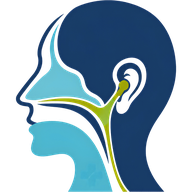
The septum is the central wall of cartilage and bone dividing the two sides of your nasal cavity. In most people it is slightly off-centre; in many it is bent sufficiently to impede airflow on one or both sides. This obstruction may be present from birth or follow a facial injury or sports mishap.
A deviated septum does not straighten with sprays or medicines. When it causes real breathing restriction, septoplasty is the definitive surgical solution: a short, internal operation performed entirely through the nostrils.
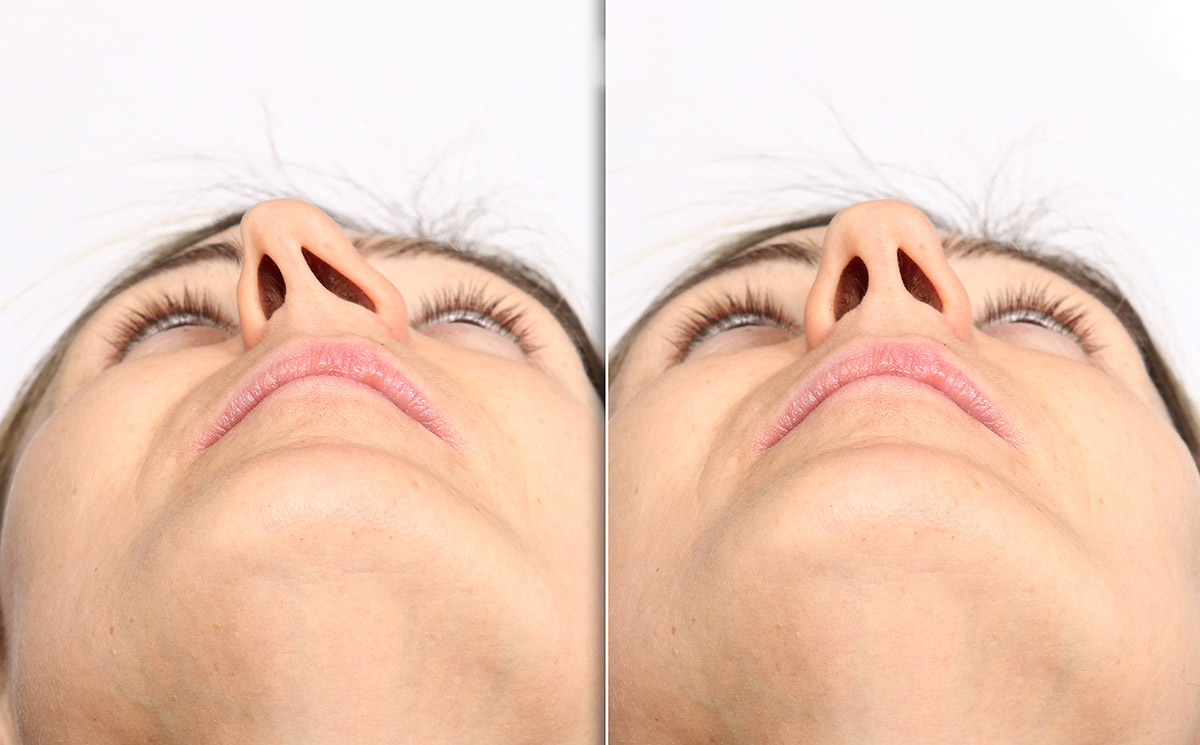
Dr. Sajid examines the nasal cavity with an illuminated speculum and a high-definition nasal endoscope. This identifies the exact location and angle of the deviation, assesses turbinate enlargement, and rules out co-existing polyps or sinus disease. A topical decongestant test reveals how much of the blockage is structural (septal bone/cartilage) versus mucosal swelling, determining if combined turbinoplasty will optimize airflow.
Septoplasty is performed entirely through the nostrils under general anaesthesia (or local with sedation). The deviated portions of cartilage and bone are delicately reshaped or repositioned in the midline. When the inferior turbinates are enlarged, turbinate reduction is performed concurrently. There are no external cuts, no bruising, and no change to the external appearance of your nose.
Routine blood work and pre-anaesthesia evaluation. Discontinue blood-thinning medications as advised. Fasting from midnight.
45–75 minutes at the hospital. Soft silicone internal splints or light dissolvable packs support the straightened septum.
Return home the same afternoon or following morning. Expect mild congestion similar to a cold. Sleep with head elevated.
Quick, painless in-clinic removal of silicone splints. Immediate, noticeable improvement in nasal breathing.
Internal mucosal healing stabilizes; full breathing benefit felt by 4–6 weeks. Contact sports avoided for 6 weeks.
Septoplasty cost in Lahore depends on hospital tier, anaesthesia type, and whether concurrent turbinate reduction or sinus clearance is required. Following clinical examination and endoscopy, you receive an itemised estimate with no hidden extras. Consultation fee: PKR 4000.
Ready to get it sorted? Book a consultation with Dr. Sajid Iqbal at Horizon Hospital, Johar Town, Lahore — call 0321 4496160 or WhatsApp.
No. Septoplasty works entirely on the internal septum and leaves your outer appearance unchanged. If cosmetic reshaping is also desired, that is a septorhinoplasty and is planned separately.
Most patients experience mild pressure and nasal stuffiness rather than sharp pain. Routine paracetamol or mild analgesics are generally sufficient during the first few days.
Typically after facial bone growth is complete (around 16–17 years of age), unless severe nasal obstruction warrants earlier conservative intervention.
If your snoring is primarily caused by nasal obstruction and mouth breathing, septoplasty usually leads to significant improvement.
Once the cartilage and bone heal in the midline position, the correction is permanent unless a new physical nasal trauma occurs.
Same-week appointments at Horizon Hospital, Johar Town, Lahore.
Timings: Mon – Thu 9pm – 10pm
Consultation Fee: PKR 4000
Dr. Sajid Iqbal, MBBS, MS-ENT, is a consultant ENT surgeon with 20+ years of experience treating patients in Lahore. Read his profile →
Clinic in Johar Town, Lahore, Mon – Thu 9pm-10pm