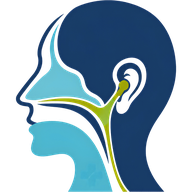
Headache that is felt over the forehead, cheeks or between the eyes is often labelled “sinus”. Research consistently shows that most of these headaches are actually migraine or tension-type headache, which can produce facial pressure and even a blocked, runny nose. True sinus headache comes with infection — thick discharge, reduced smell, pain that worsens on bending — and resolves when the sinusitis does.
There is also a less common structural cause: a contact point between a deviated septum and the nasal side wall, or a concha bullosa, pressing on the nasal lining and triggering pain. Dr. Sajid’s role is to find out, with endoscopy and where needed a CT scan, whether your nose and sinuses are the cause — and to treat them if they are, or point you to the right specialist if they are not.
A careful headache history is the most important test — pattern, triggers, associated symptoms and what helps. Nasal endoscopy then shows whether there is infection, polyps or a contact point. A CT scan of the sinuses is ordered when endoscopy suggests disease, or when symptoms persist despite treatment; a clear CT during a headache is strong evidence against a sinus cause. A topical anaesthetic test on a suspected contact point can confirm whether it is the trigger. Red-flag features prompt neurology referral and brain imaging.
Only where a structural nasal cause is confirmed. Septoplasty or removal of a contact point / concha bullosa reduction when the anaesthetic test confirms it triggers the pain. Endoscopic sinus surgery (FESS) for chronic sinusitis or a blocked frontal sinus that has failed medical treatment. Surgery is never offered for headache alone without clear endoscopic and CT evidence of a nasal cause — and patients are told honestly when migraine is the diagnosis.
Headache history, examination and nasal endoscopy.
CT sinus if endoscopy suggests disease; anaesthetic contact-point test where relevant.
Sinus-related, nasal structural, or primary headache (migraine/tension) — explained clearly.
Sinus or allergy treatment, surgery where a structural cause is proven, or neurology referral with a letter summarising the ENT findings.
6–8 weeks to confirm response; headache diary reviewed.
Consultation including nasal endoscopy: PKR [FEE]. CT sinus: charged by the imaging centre (PKR [CT RANGE]). Surgery, where indicated, is quoted in writing.
Ready to get it sorted? Book a consultation with Dr. Sajid Iqbal at Horizon Hospital, Johar Town, Lahore — call 0321 4496160 or WhatsApp.
Sinus headache comes with infection: thick coloured discharge, reduced smell, facial pressure worse on bending, and it clears when the sinusitis is treated. Headache with nausea, light sensitivity, or that comes in episodes with a clear nose is far more likely to be migraine, even when it is felt over the sinuses.
Not always. Endoscopy comes first. A CT is ordered when endoscopy shows disease or when a structural cause is suspected. A CT done during a headache that shows clear sinuses is also useful — it rules out the sinuses and saves years of unnecessary antibiotics.
In some patients, when a sharp spur touches the side wall of the nose. The anaesthetic test confirms it, and correcting the septum relieves the pain. Most deviated septums do not cause headache.
Only if sinus disease or a nasal contact point is the proven cause. If the diagnosis is migraine, surgery will not help and Dr. Sajid will say so.
No. Repeated antibiotics without endoscopic or CT evidence of infection usually mean the diagnosis was wrong. A single proper assessment is the way out of that cycle.
Same-week appointments at Horizon Hospital, Johar Town, Lahore.
Timings: Mon – Thu 9pm – 10pm
Consultation Fee: PKR 4000
Dr. Sajid Iqbal, MBBS, MS-ENT, is a consultant ENT surgeon with 20+ years of experience treating patients in Lahore. Read his profile →
Clinic in Johar Town, Lahore, Mon – Thu 9pm-10pm