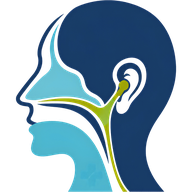
The thyroid is a butterfly-shaped gland at the front of the neck that controls metabolism; the four tiny parathyroid glands behind it control blood calcium. Problems that reach a surgeon are nodules (lumps within the gland), goitre (enlargement, sometimes pressing on the windpipe or extending into the chest), overactive thyroid not controlled by medicine, thyroid cancer, and parathyroid adenomas causing high calcium, kidney stones, bone thinning and fatigue.
Dr. Sajid Iqbal assesses thyroid and parathyroid disease as part of his head and neck practice and performs surgery with intra-operative nerve monitoring to protect the voice.
Thyroid function tests and neck ultrasound come first; ultrasound grades each nodule by its features (TI-RADS). Nodules that meet criteria have FNAC — a fine-needle sample under ultrasound guidance, done in minutes with minimal discomfort — reported on the Bethesda system, which guides whether to observe or operate. For parathyroid disease: calcium and PTH blood tests, then a sestamibi scan and ultrasound to locate the overactive gland. Laryngoscopy checks vocal cord movement before any thyroid surgery.
Hemithyroidectomy (one lobe) for a single suspicious or symptomatic nodule; total thyroidectomy for large or bilateral goitre, Graves’ disease not controlled medically, and thyroid cancer, with central or lateral neck dissection where nodes are involved. Parathyroidectomy — removal of the overactive gland through a small incision, often guided by pre-operative localisation. All procedures use intra-operative nerve monitoring to protect the recurrent laryngeal nerve (voice) and careful preservation of parathyroid glands (calcium). Performed at [Hospital]; most patients stay one night.
Blood tests, ultrasound and FNAC where indicated; vocal cord check. Most patients are told at this stage that no surgery is needed.
If surgery is advised, the reason, the extent (one lobe or whole gland), the risks and the alternatives are explained and written down.
90–150 minutes under general anaesthesia through a 4–6 cm collar incision in a skin crease; nerve monitoring throughout. One night in hospital.
Mild neck stiffness for a week. Calcium checked before discharge after total thyroidectomy. Back to desk work in 7–10 days; the scar fades over 6–12 months.
Histology at 1 week; thyroxine started if the whole gland was removed; endocrinology and, for cancer, nuclear medicine follow-up arranged.
Consultation: PKR [FEE]. Ultrasound and FNAC: charged by the imaging centre. Thyroid and parathyroid surgery is quoted in writing after assessment, including hospital stay and nerve monitoring.
Ready to get it sorted? Book a consultation with Dr. Sajid Iqbal at Horizon Hospital, Johar Town, Lahore — call 0321 4496160 or WhatsApp.
No — the great majority do not. Ultrasound grading and FNAC identify the small proportion that are suspicious or cancerous, and large goitres that cause pressure symptoms. The rest are monitored.
The nerves to the vocal cords run directly behind the thyroid. With nerve monitoring and careful technique, permanent voice change is uncommon (around 1%). Temporary hoarseness for a few weeks can occur and recovers.
After removal of the whole gland, yes — one thyroxine tablet daily, which replaces what the gland made and is straightforward to manage. After removing one lobe, most patients need no medication.
Surgery is the main treatment, sometimes followed by radioactive iodine. The common types (papillary and follicular) have excellent long-term outcomes when treated properly — most patients return to a normal life.
Often, yes. Persistently high calcium with a high or inappropriately normal PTH level points to a parathyroid adenoma. Removing it cures the problem and reverses the risk of kidney stones and bone loss.
Same-week appointments at Horizon Hospital, Johar Town, Lahore.
Timings: Mon – Thu 9pm – 10pm
Consultation Fee: PKR 4000
Dr. Sajid Iqbal, MBBS, MS-ENT, is a consultant ENT surgeon with 20+ years of experience treating patients in Lahore. Read his profile →
Clinic in Johar Town, Lahore, Mon – Thu 9pm-10pm