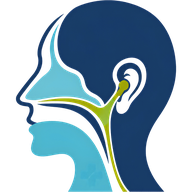
Allergic rhinitis is inflammation of the nasal lining triggered by things you breathe in — house-dust mites, pollen, mould, animal dander, and the smog that blankets Lahore from October to February. It may be seasonal (hay fever) or perennial (all year). Untreated, it disturbs sleep, drives sinus infections, worsens asthma, causes glue ear and adenoid enlargement in children, and quietly lowers quality of life.
Most patients arrive having tried one antihistamine after another. Dr. Sajid’s approach is a structured plan: identify triggers, use the right medicines in the right way, and consider immunotherapy for lasting control.

The pattern of symptoms often reveals the trigger. Nasal endoscopy shows the characteristic pale, swollen lining and rules out polyps, a deviated septum or sinus infection that may co-exist. Allergy testing — skin-prick test or blood IgE panel — identifies the specific allergens so avoidance and immunotherapy can be targeted.
Surgery does not cure allergy but can relieve the blockage when the lining has become permanently thickened. Turbinate reduction (radiofrequency or surgical) shrinks the swollen inferior turbinates and restores breathing; it is often combined with septoplasty. Polypectomy / FESS is needed when allergy has led to nasal polyps or chronic sinusitis.
Symptom mapping, endoscopy, and a review of everything you have tried and how you used it.
Skin-prick testing takes 20 minutes with results the same day; blood tests take a few days.
Written plan: which spray, how, when; which antihistamine; avoidance steps that actually matter for your allergens.
Most patients are substantially better. If not, the diagnosis is revisited and immunotherapy or turbinate reduction discussed.
3–5 years of treatment; benefits typically begin within months and persist after the course ends.
Consultation: PKR 4000. Allergy testing and procedural options are quoted individually following clinical assessment.
Ready to get it sorted? Book a consultation with Dr. Sajid Iqbal at Horizon Hospital, Johar Town, Lahore — call 0321 4496160 or WhatsApp.
No. A cold is an infection that lasts about a week. Allergy causes sneezing, itching and clear discharge that persists or recurs whenever you are exposed to the trigger, with no fever.
Yes, when used as directed. Modern sprays act locally with minimal absorption and are safe for daily use over years, including in children — unlike decongestant sprays, which must be limited to a few days.
Immunotherapy is the only treatment that changes the underlying allergic response and can give lasting relief after the course. Everything else controls symptoms while you use it.
Smog particles irritate the nasal lining and make it react to allergens it would otherwise tolerate. Closed windows and heaters also concentrate dust-mite allergen indoors. Air purification in the bedroom helps.
Yes. Allergic swelling blocks the Eustachian tube and enlarges adenoids, leading to glue ear and muffled hearing. Treating the allergy is part of treating the ear.
Same-week appointments at Horizon Hospital, Johar Town, Lahore.
Timings: Mon – Thu 9pm – 10pm
Consultation Fee: PKR 4000
Dr. Sajid Iqbal, MBBS, MS-ENT, is a consultant ENT surgeon with 20+ years of experience treating patients in Lahore. Read his profile →
Clinic in Johar Town, Lahore, Mon – Thu 9pm-10pm